
Neighborhoods · January 6, 2026
North Central Phoenix Homes: The Complete 2026 Buyer and Seller Guide
Everything that actually matters about North Central Phoenix real estate in 2026: boundaries, price bands, home types, irrigation, schools and how homes trade here.
The short answer
North Central Phoenix is the corridor between 7th Avenue and 7th Street from Camelback Road to Northern Avenue. Across a sample of 22 recent closed sales from Trevor's ARMLS feed, homes closed at a median of $1,290,000, a median of $448 per square foot, on a median lot of 0.31 acres — with lot quality, irrigation and block character driving more of the spread than finishes do.
North Central Phoenix is not a subdivision, a master plan, or a marketing invention. It is the oldest continuously desirable residential corridor in the city, and it has been quietly setting Phoenix price records for decades without ever putting up a gate or a monument sign.
If you are searching for a home here, the first thing to understand is that the corridor is small: roughly two miles north to south, one mile east to west. Inventory is thin by definition, and some of the homes that trade fastest are the ones nobody ever sees on a portal. The second thing to understand is that the usual portal filters — beds, baths, square feet — sort for the wrong variables in this neighborhood.
This is the buyer's guide. It ends where it should, at the search itself.
Where North Central Phoenix actually is
The core runs from Camelback Road north to Northern Avenue, and from 7th Avenue east to 7th Street. Locals call it Between the Sevens. Some agents stretch the label north to Glendale Avenue or east to 16th Street, and there are excellent pockets on both flanks, but the pricing gravity sits inside those four lines.
Central Avenue splits the corridor down the middle, with the Murphy Bridle Path running along it. If you want the boundary argument in full, read Between the Sevens, explained; if you want to see the pockets side by side with closed-sale numbers, use the explorer.
The two markets inside one square mile
Practically speaking there are two products here, and buyers routinely arrive certain they want one and leave having bought the other.
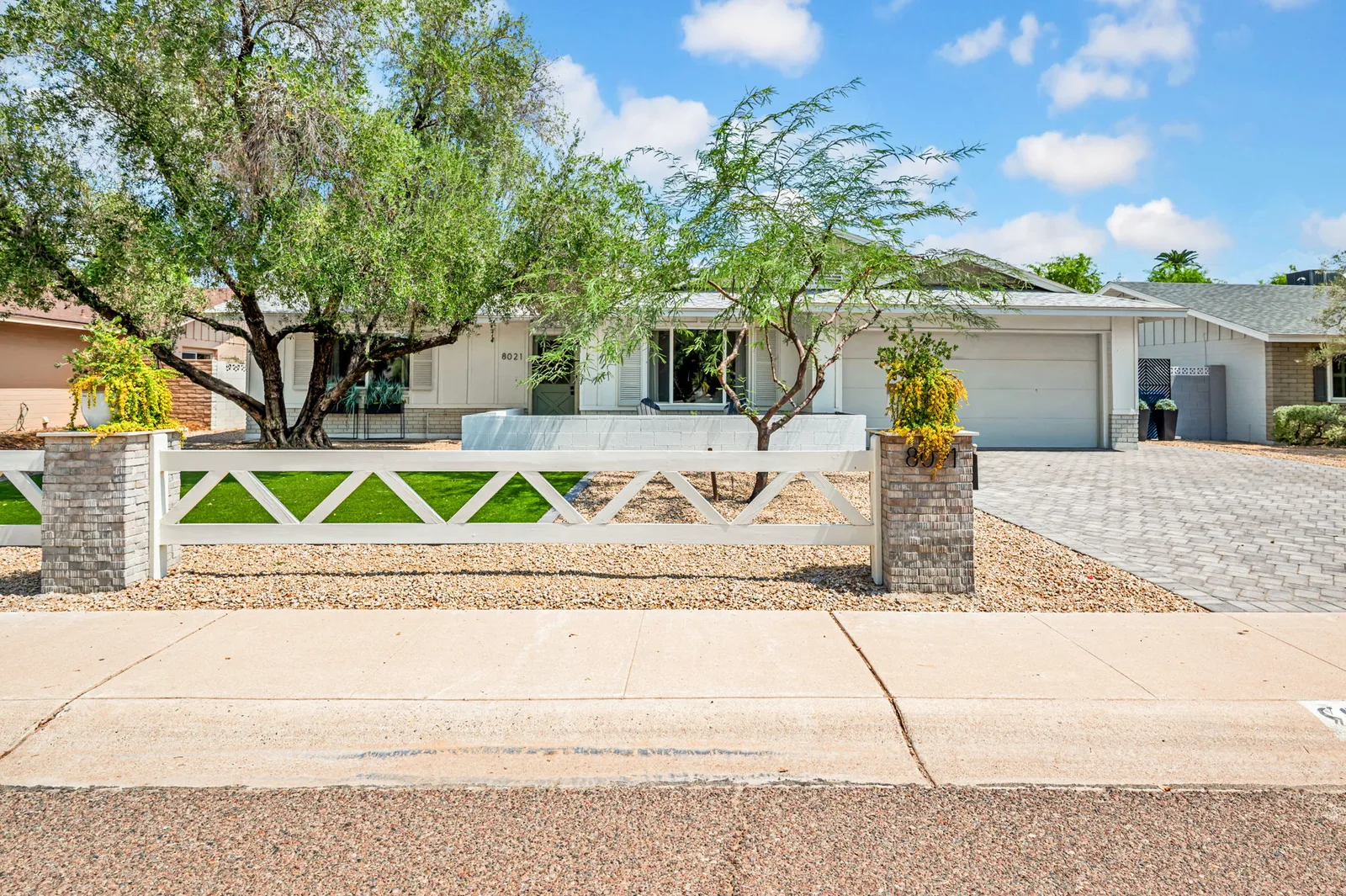
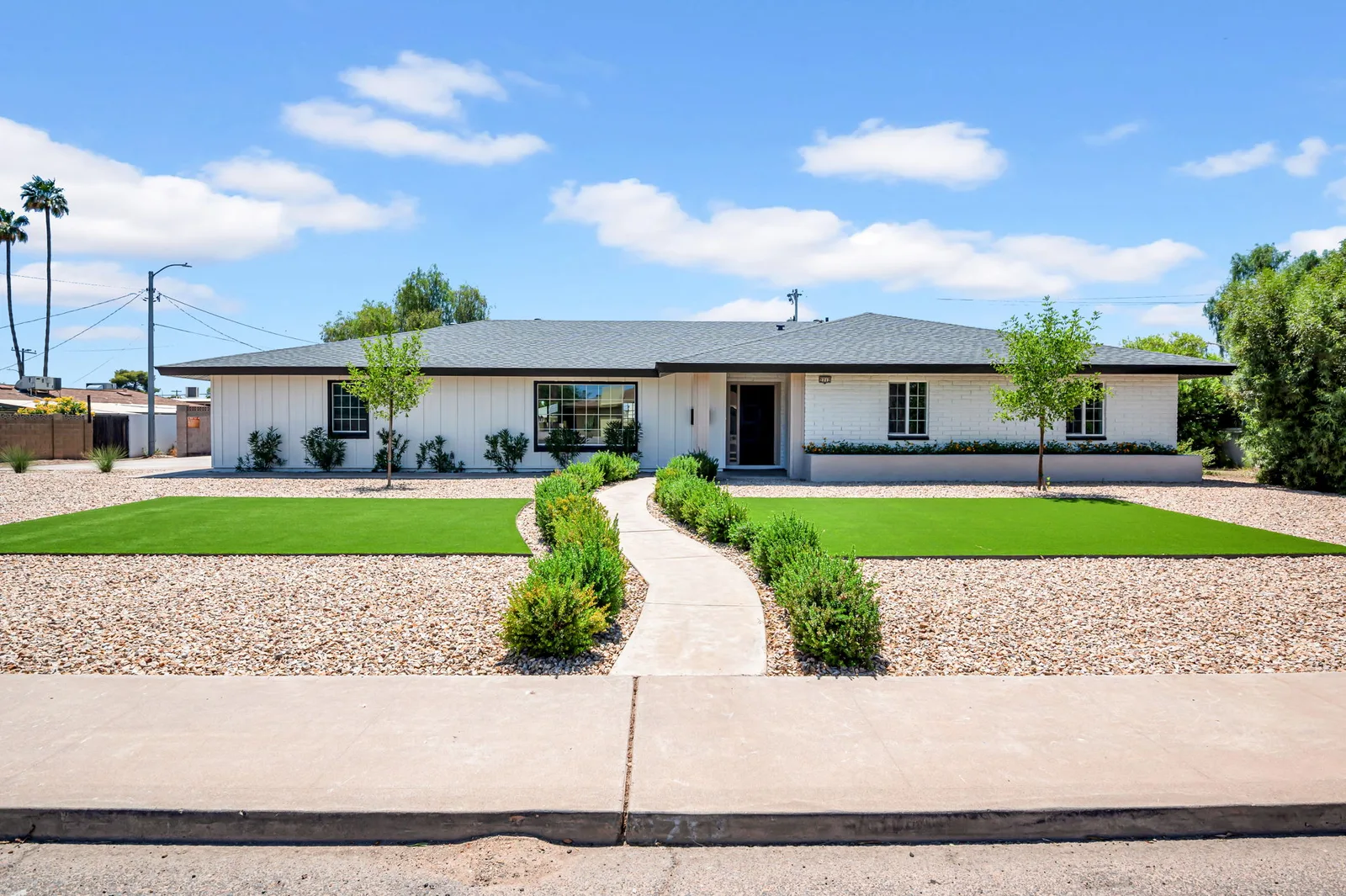
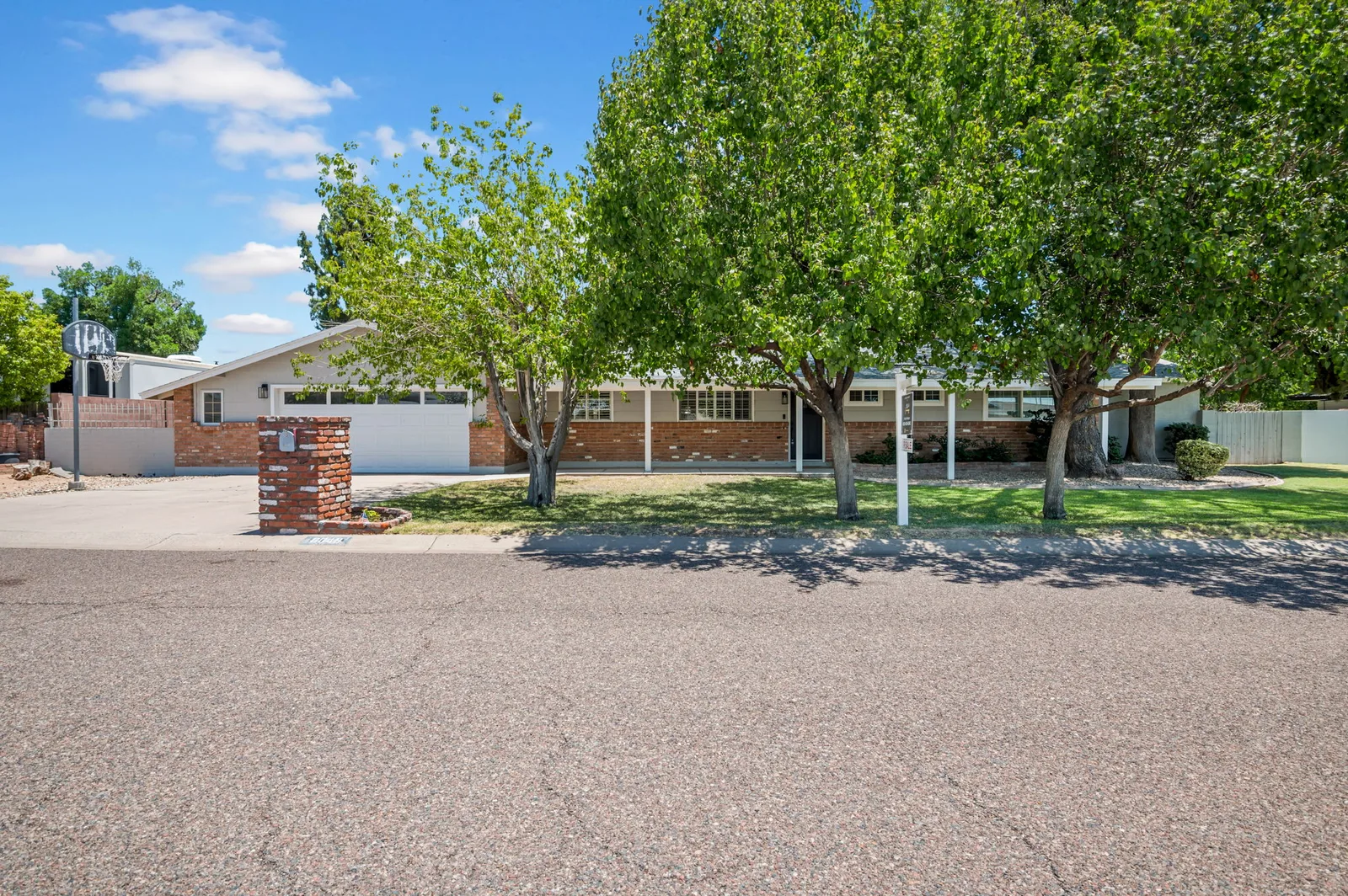
- The reimagined classic ranch. Mid-century construction, single story, frequently on a flood-irrigated lot, usually remodeled at least once. This is the emotional center of the corridor.
- The modern custom estate. Newer construction, larger, typically walled, often on a lot that was assembled or scraped. Different buyer, different underwriting, same neighborhood.
The ranch buyer discovers what a 1958 floor plan really costs to open up — the remodeling guide covers that honestly. The estate buyer walks a flood-irrigated lawn in April and reconsiders the whole plan. Both are covered in the architecture guide.
What the closed sales actually show
Here is the sample rather than a slogan. Across 22 recent closed North Central sales from Trevor's ARMLS IDX feed: median closed price $1,290,000, range $1,023,500 to $2,455,555, median size 2,877 square feet, median lot 0.31 acres, median $448 per square foot.
Every figure here is computed from a sample of 22 North Central sales closed in the past 12 months, drawn from Trevor's ARMLS IDX feed. A 12-month sample is not the whole market — it is a read on what has actually traded, not a valuation of any particular house.
| Zip | Sales in sample | Median closed | Range | Median lot |
|---|---|---|---|---|
| 85012 | 6 | $1,290,000 | $1,069,000 – $2,047,300 | 0.39 ac |
| 85013 | 3 | $1,442,000 | $1,150,000 – $1,500,000 | 0.39 ac |
| 85020 | 5 | $1,130,000 | $1,050,000 – $2,455,555 | 0.30 ac |
| 85021 | 8 | $1,300,000 | $1,023,500 – $1,825,000 | 0.28 ac |
What drives price here
In rough order: lot size and irrigation, block quality, school assignment, and then the house itself. A dated ranch on a large irrigated lot inside a sought-after school boundary will out-trade a beautifully finished home on a small dry lot two streets over. That order surprises buyers coming from newer markets, and it is the most expensive thing to learn late.
The reason is structural. The corridor is landlocked; nobody is making more irrigated half-acre lots inside it. Finishes depreciate and taste changes. Dirt, canopy and water rights do not. The lot size guide puts numbers to that, and the canopy piece explains why the trees are an asset rather than a landscaping detail.
Reading price per square foot without getting fooled
The sample median is $448 per square foot, and that single number hides almost everything. Land value attaches to the lot, not the building, so a smaller home on a large irrigated lot posts a high figure and looks overpriced when it is not — and a big, cheap addition drags the figure down and makes a mediocre house look like a deal. The full explanation is here.
The diligence that actually matters in The Corridor
- Irrigation. Confirm with the provider whether the parcel is served, what it costs, and whether the berms and gates are intact.
- Roof and HVAC age. Older housing stock plus Phoenix summers makes both of these budget items rather than trivia — see HVAC and summer costs.
- Permits on additions. Mid-century houses in The Corridor have been added onto for sixty years, and not all of it went through the city.
- School assignment by parcel, verified with the district, never from a listing field.
- Sewer, drainage and easements on deep lots, particularly if you intend to add square footage or a casita later — the casita guide covers that trade-off.
How homes actually trade here
A meaningful share of North Central sales never hit the open market. Owners here tend to know their neighbors, and good listings are frequently spoken for during the prep phase. If you are buying, being on a private list is not a luxury — it is the difference between seeing a handful of homes a year and seeing most of them. Here is what that list actually is.
When homes do hit the market, they can move quickly and they can attract competition. Read how to win a multiple-offer situation here before you need it. If you are stepping into this price band for the first time, the first-time luxury buyer guide is the one to start with.
If you are on the selling side
The same scarcity that frustrates buyers works for sellers, but only if the pricing argument is built properly. With a small comparable set, one bad comp can distort a whole valuation. Pricing a North Central home, preparing one for market and the seller page cover the mechanics, and a valuation on your own address is the fastest way to get a starting number.
Start the search
The corridor home search is filtered to these zip codes and this price band, so you are looking at North Central inventory rather than everything in Phoenix that happens to match a keyword. Pair it with the monthly market reports so you know what has actually been closing while you shop, and use Price That House if you want to calibrate your instincts against real closed sales before you write an offer.
Questions people ask
- What are the boundaries of North Central Phoenix?
- The core corridor runs from Camelback Road north to Northern Avenue and from 7th Avenue east to 7th Street, an area locals call Between the Sevens. Broader definitions extend north to Glendale Avenue and east to 16th Street, and there are strong blocks on both flanks.
- How much do homes in North Central Phoenix sell for?
- In a sample of 22 recent closed sales from Trevor's ARMLS feed, the median closed price was $1,290,000, ranging from $1,023,500 to $2,455,555. That sample is a read on what has traded recently, not the whole market, and not a valuation of any particular house.
- What is the price per square foot in North Central Phoenix?
- The median across that same sample of 22 closed sales was $448 per square foot. Use it carefully: land value attaches to the lot rather than the building, so the metric overstates smaller homes on large lots and understates homes with big low-quality additions.
- What kinds of homes are for sale in North Central Phoenix?
- Two dominant products: mid-century ranch homes, frequently remodeled and often on flood-irrigated lots, and newer custom estates that are larger and typically walled. The corridor also holds a small number of trophy properties priced primarily on land.
- Why do so many homes here sell without being listed?
- The corridor is small and owners know each other and their agents. Homes are often spoken for during the preparation phase, before photos are shot. That is why buyers who only watch portals see a fraction of what actually trades.
- Is North Central Phoenix a good investment?
- The structural case is scarcity: the corridor is landlocked, the irrigated lots and mature canopy cannot be replicated, and demand for that combination has been durable. That is an argument about supply, not a prediction about future prices, and no honest agent will give you the latter.
- What should I check before making an offer here?
- Irrigation status with the provider, roof and HVAC age, permits on any addition, school assignment by parcel with the district, and easements or drainage on deep lots if you plan to build later.