
Neighborhoods · February 13, 2026
North Central Phoenix vs Biltmore: Two Definitions of Luxury
Comparing North Central Phoenix and the Biltmore area on property type, lot ownership and lifestyle, with verified data published for the North Central side only.
The short answer
Biltmore is generally a lock-and-leave, amenity-and-walkability proposition while North Central Phoenix is a large-lot, mature-canopy residential corridor with documented 1895 platting; this guide publishes verified figures for North Central only and makes no statistical claim about the Biltmore area.
Two very different definitions of luxury sit a few miles apart, and choosing between them is almost always a lifestyle decision rather than a financial one. Buyers rarely agonize over this comparison once they have seen both — they just need the difference stated clearly.
The method note, first
For North Central Phoenix we publish real numbers computed from closed sales in Trevor's own ARMLS IDX feed. For the Biltmore area we stay descriptive: no statistic, no price, no lot size, no school claim, because we have no verified data for that area and inventing one would be worse than omitting it.
If you need Biltmore numbers, get them from an agent who works Biltmore. Ask Trevor and he will point you at one rather than guess.
North Central Phoenix, on the record
The corridor was platted in 1895, when William J. Murphy laid out the Orangewood subdivision — two square miles between 7th Avenue and 7th Street, Northern Avenue to Bethany Home Road — primarily in 20-acre lots with Central Avenue as its principal roadway, aimed at rural homes at an easy distance from the city. Evans' Addition followed in 1897, running south to Camelback Road. The area was annexed into Phoenix in 1959.
The lot sizes people buy here today are the residue of those original estate parcels. The story is told in full in the corridor history.
What has actually closed here
A sample of 22 recent closed North Central sales shows a median close of $1,290,000, a range from $1,023,500 to $2,455,555, a median of $448 per square foot, and a median lot of 0.31 acres, with lots ranging from 0.09 to 1.01 acres. Every figure here is computed from a sample of 22 North Central sales closed in the past 12 months, drawn from Trevor's ARMLS IDX feed. A 12-month sample is not the whole market — it is a read on what has actually traded, not a valuation of any particular house.
| Zip | Sales in sample | Median close | Range in sample | Median lot |
|---|---|---|---|---|
| 85012 | 6 | $1,290,000 | $1,069,000 – $2,047,300 | 0.39 ac |
| 85013 | 3 | $1,442,000 | $1,150,000 – $1,500,000 | 0.39 ac |
| 85020 | 5 | $1,130,000 | $1,050,000 – $2,455,555 | 0.30 ac |
| 85021 | 8 | $1,300,000 | $1,023,500 – $1,825,000 | 0.28 ac |
Property type is the real difference
The Biltmore area is known for a mix that includes gated communities, patio homes, townhomes and higher-density condominium living alongside single-family houses, organized around resort amenities and walkable dining. That is the product it is famous for, and it is a genuinely good product for the buyer it fits.
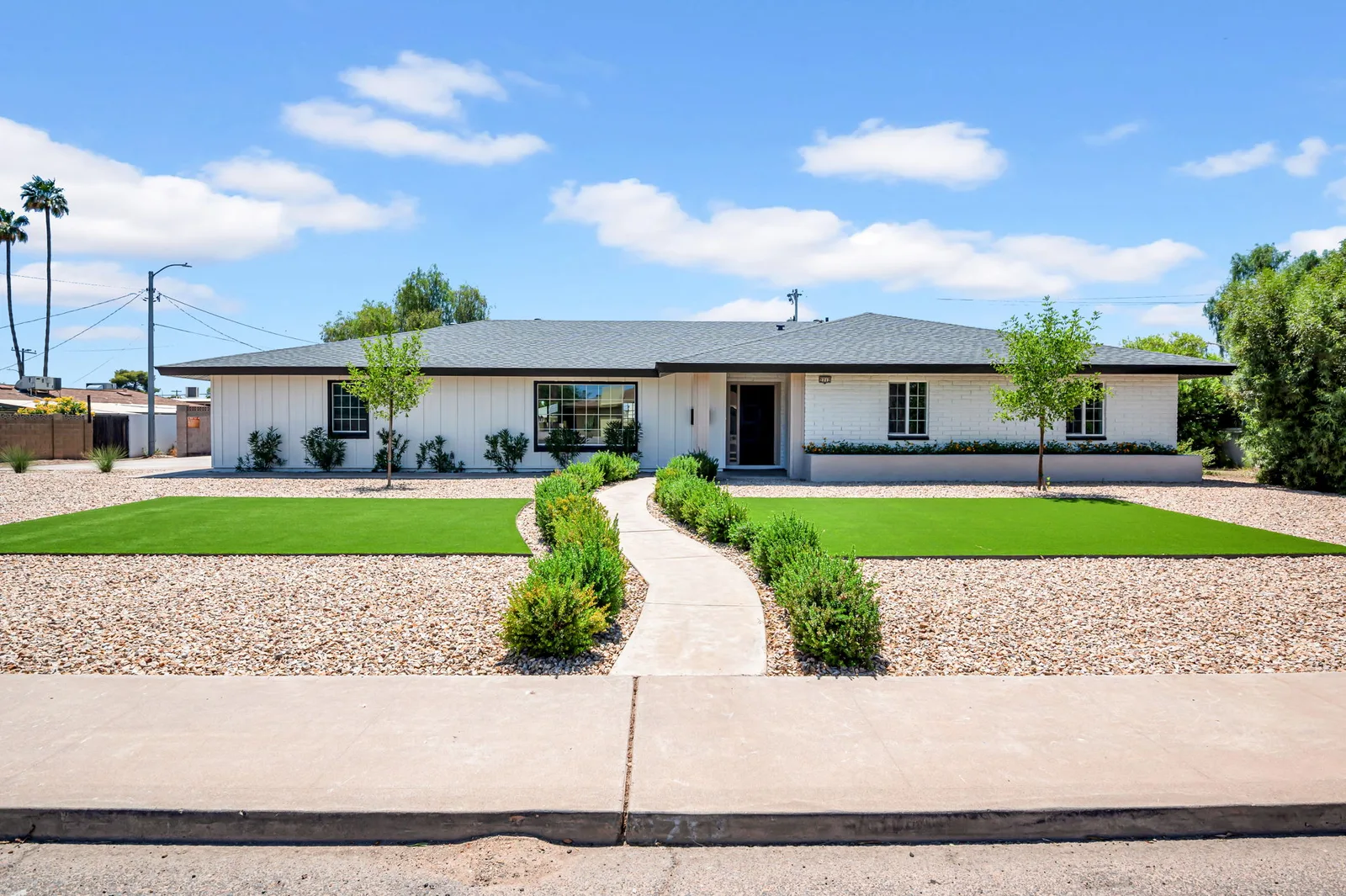
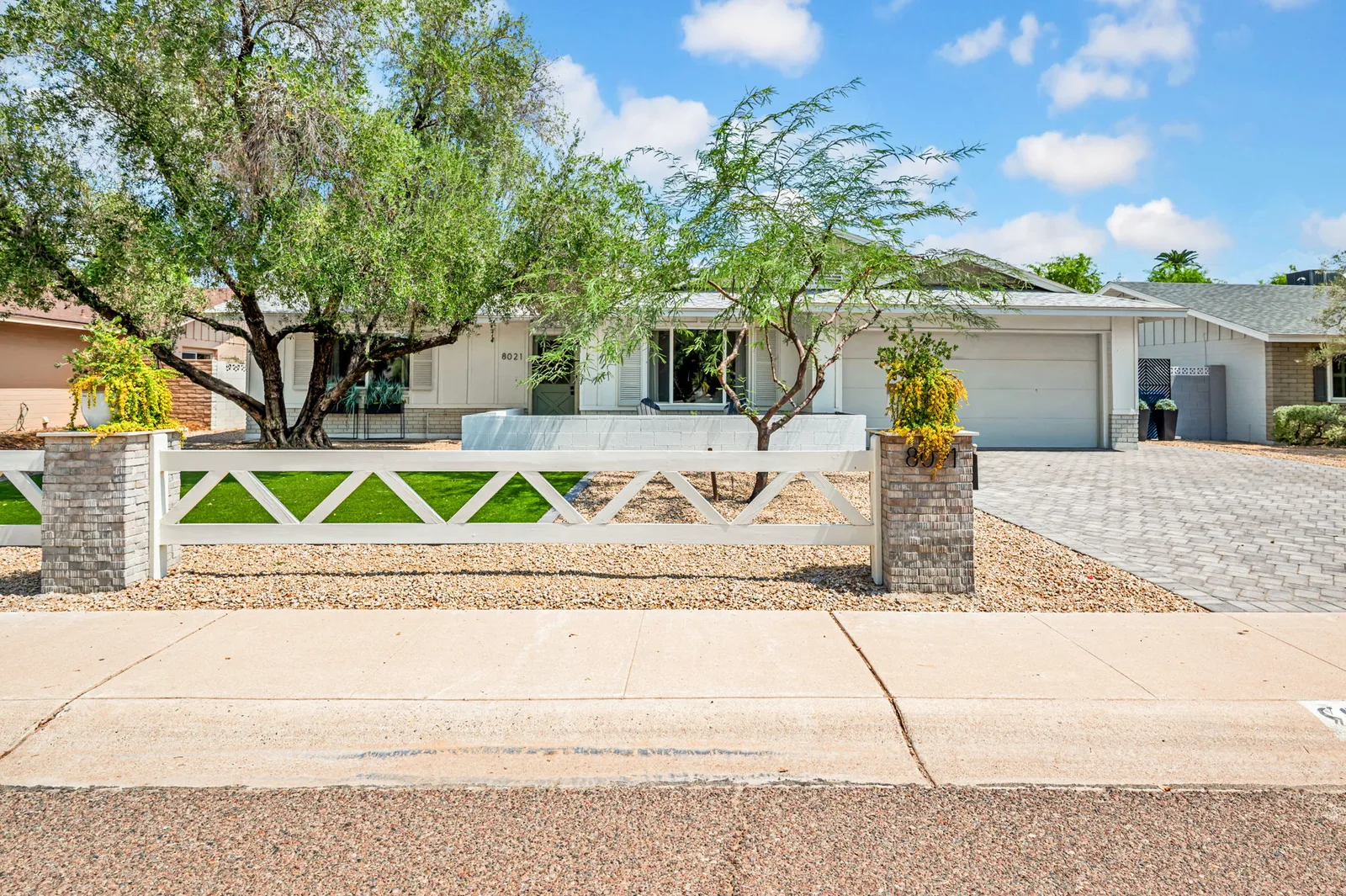
North Central is overwhelmingly detached single-family housing on individually owned lots, laid out on a residential street grid. The corridor's housing stock — ranch, territorial and Santa Fe revival, mid-century modern and contemporary custom — is described in the architecture field guide.
Who each one fits
- Lock-and-leave buyers who travel, want amenities handled, and do not want a yard tend toward the Biltmore model.
- Buyers who want land, trees, a dog, a hose bib and a street their kids can ride on tend toward North Central.
- Buyers who want walkable dining within a short stroll of the front door should look hard at Biltmore. North Central's dining is excellent but is concentrated on the 7th Street and Central corridors — see the restaurant guide.
- Buyers with school-age children more often land in North Central, because of the Madison district and the Brophy and Xavier proximity — see the schools guide.
Ownership structure and ongoing cost
This is the difference that shows up on a monthly statement rather than on a tour. Attached and gated product generally carries association dues that cover exterior maintenance, common areas and amenities. Detached homes on individually owned lots generally do not, and the owner carries roof, yard and exterior directly.
Neither is cheaper in the abstract — they are different ways of paying for the same maintenance. What matters is which one you would rather manage. On the North Central side there is one recurring line item that is genuinely local: flood irrigation, which delivers SRP canal water to the lot on a rotating schedule, with subdivision accounts receiving 18 runs per year. That system is why the yards look the way they do, and it is explained in the irrigation guide and the almanac.
Character, described rather than scored
The Biltmore area's identity is a resort corridor: amenity-forward, polished, and organized around destinations. North Central's identity is a residential corridor with a century of continuity — the same street grid, the same tree canopy, the same water system, and a dirt path down Central Avenue that has been there since about 1900 and now carries walkers and runners rather than riders. That path, Murphy's Maricopa Bridle Path, was officially named by the Arizona Horse Lovers Club in 1948 and runs roughly 2.5 miles at about 10 feet wide.
If the phrase small town in a big city means anything concrete, that path is it. The Bridle Path guide covers it properly.
How to decide
- Count the nights per year you are actually home. High travel favors lock-and-leave.
- Decide whether you want to own the outside of your house or pay someone to handle it.
- Walk both on a Saturday morning and notice which one has the life you want to be part of.
- If North Central wins, narrow the pockets with the corridor map or the quiz, then look at current inventory.
- If you are selling on the North Central side rather than buying, the seller's guide covers how pricing works when the comparable set is small.
Questions people ask
- What is the difference between North Central Phoenix and Biltmore?
- North Central is a large-lot, detached single-family corridor platted in 1895 between 7th Avenue and 7th Street, while the Biltmore area is known for a mix that includes gated communities, patio homes, townhomes and condominiums organized around resort amenities and walkable dining.
- Which is more expensive, North Central Phoenix or Biltmore?
- We do not publish Biltmore pricing because we have no verified data for that area. For North Central, a sample of recent closed sales from Trevor's ARMLS feed shows a median close of $1,290,000 at a median of $448 per square foot, which is a sample rather than the whole market.
- Is Biltmore better for lock-and-leave buyers?
- Generally yes. Attached and gated product with association-managed exteriors and amenities suits buyers who travel often and do not want to maintain a yard, which is the Biltmore area's best-known offering.
- Does North Central Phoenix have HOAs?
- North Central is overwhelmingly detached single-family housing on individually owned lots, so association structures are far less common than in gated or attached communities. Confirm at the parcel level before writing an offer.
- Which area is better for families with children?
- North Central is the more common choice for school-age families, because most of the corridor is served by the Madison Elementary School District and Brophy and Xavier sit on the Central Avenue corridor. Boundaries are address-specific and must be verified with the district.
- What lot sizes should I expect in North Central Phoenix?
- In a sample of 22 recent closed North Central sales the median lot was 0.31 acres, with the sample ranging from 0.09 to 1.01 acres. That is a sample of closed sales, not the whole market.
- Does North Central Phoenix have walkable dining?
- Dining in the corridor is concentrated along the 7th Street and Central Avenue corridors rather than spread evenly through the residential streets, so walkability depends heavily on which block you buy.