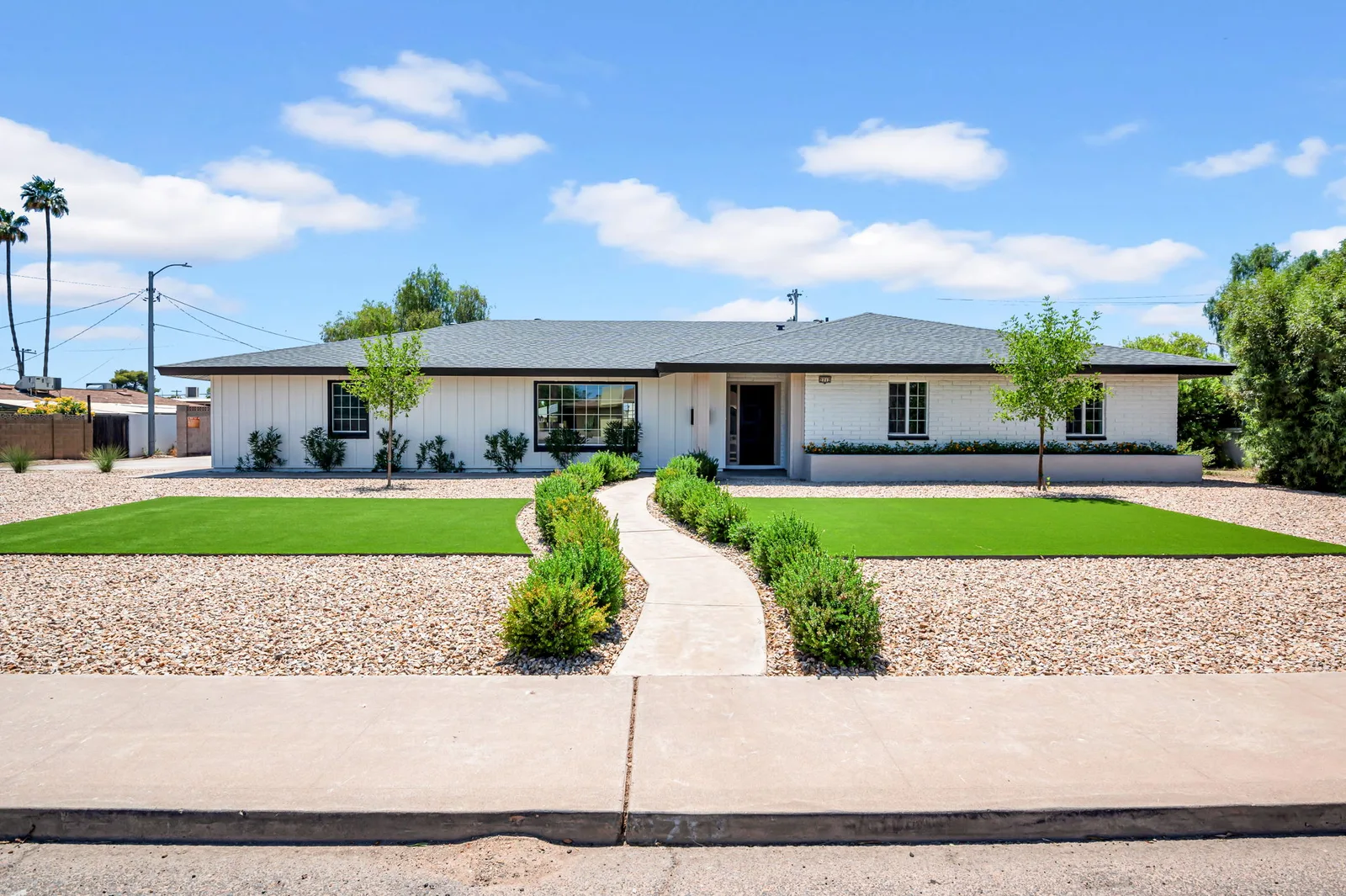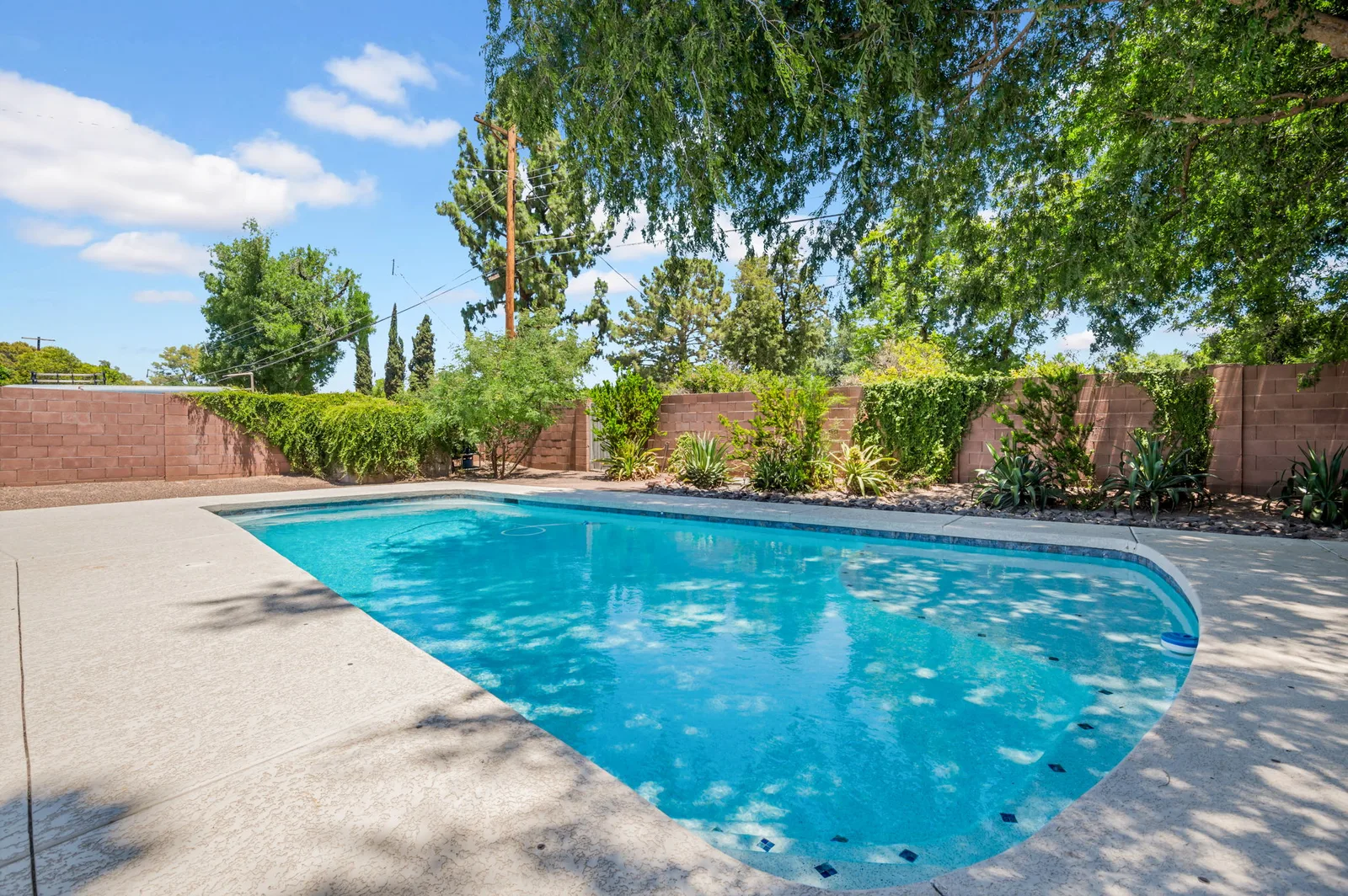

Neighborhoods · June 5, 2026
A Street-Level Guide to Between the Sevens
How North Central Phoenix's sub-pockets differ block by block, from the Central Avenue estates to the quieter avenues west and the streets east of 7th.
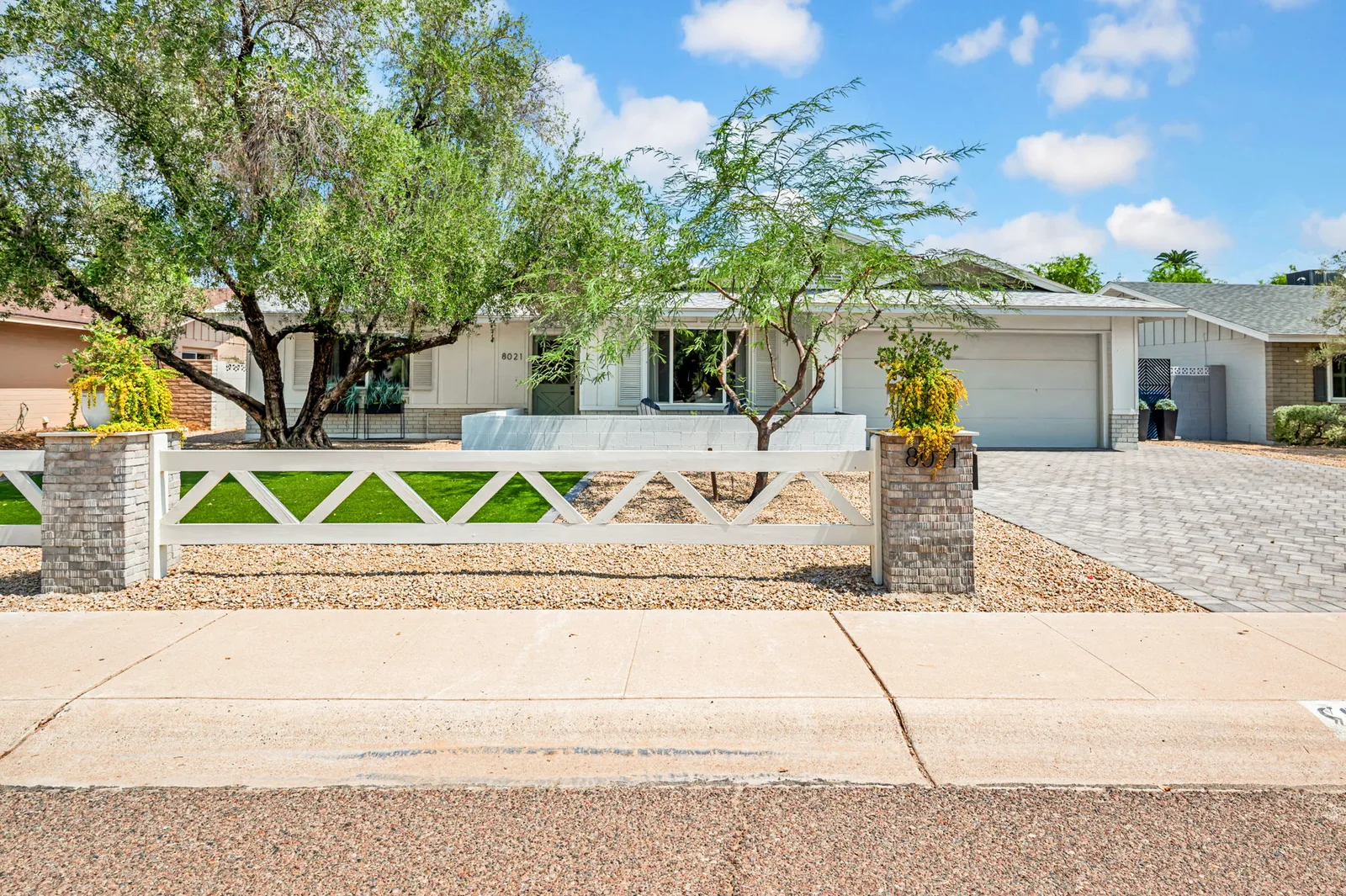
The short answer
Within Between the Sevens, the blocks closest to Central Avenue and the Murphy Bridle Path carry the highest values, the western avenues offer better relative value on comparable lots, and the eastern streets trade a little canopy for convenience. Across a sample of 22 recent closed sales in Trevor's ARMLS feed, the median closed price was $1,290,000 on a median lot of 0.31 acres.
The corridor is small enough to drive in twenty minutes and varied enough that two homes half a mile apart can differ by hundreds of thousands of dollars on identical square footage. That is the whole problem with shopping this neighborhood from a portal. The filters see bedrooms and finishes. They do not see the block.
This is the reference page for the corridor: what the sub-pockets are, which streets actually show up in closed sales, what makes a block desirable here, and how to judge a street in a single afternoon. It replaces and absorbs the older best-streets post, so everything about picking a block now lives in one place.
Where numbers appear below, they are computed from a sample of 22 recent closed North Central sales in Trevor's ARMLS IDX feed rather than pulled from anywhere else. Every figure here is computed from a sample of 22 North Central sales closed in the past 12 months, drawn from Trevor's ARMLS IDX feed. A 12-month sample is not the whole market — it is a read on what has actually traded, not a valuation of any particular house.
What makes a block desirable here
Almost nothing on this list is about the house. In a corridor where a large share of the inventory was built in the same twenty-year window and a large share of it has been remodeled at least once, the house is the variable you can change. The block is not.
- Canopy. Streets where the trees close overhead are meaningfully cooler at the sidewalk than the open blocks two streets over, and in this climate shade is not decoration, it is usable outdoor time.
- Working flood irrigation. A block where the whole run irrigates on the same schedule stays green together, and green is what the canopy is standing in. How the system actually works is covered in the flood irrigation guide and in the homeowner's almanac.
- Traffic. Streets that do not connect through to an arterial behave completely differently after 5pm than streets that do.
- Lot depth. Depth is what buys a private back yard, and back yard privacy is the thing buyers here consistently say they were not willing to compromise on.
- Scale consistency. One out-of-scale rebuild towering over its neighbors changes how the whole block reads.
The corridor's sub-pockets
Locals do not think in zip codes, they think in four or five rough areas. Here is how they differ, and then below, the streets that actually appear in the closed-sale sample for each zip.
The Central Avenue spine
The estate blocks. The largest lots, the oldest canopy, and direct access to the Murphy Bridle Path, the dirt trail that runs along Central and is the single most recognizable feature of the neighborhood. This is where the corridor's trophy properties sit, and it is also where the widest spread between two adjacent sales tends to show up, because lot size varies so much along it.
Central is also the school spine. Brophy College Preparatory at 4701 N. Central Ave, Xavier College Preparatory at 4710 N. 5th St, Central High School at 4525 N. Central Ave and All Saints' Episcopal Day School at 6300 N. Central Ave are all on or immediately off it. That concentration is a real part of why the blocks feeding Central hold value; it is also why traffic behaves the way it does at 7:45am. The full picture is in the North Central Phoenix schools guide.
West of Central toward 7th Avenue
Consistently strong ranch stock on generous irrigated lots, quieter through-traffic than the spine, and some of the best tree tunnels in the neighborhood. Buyers who start on Central and cannot make the math work often end up here and are happier for it.
The Murphy Bridle Path side is the anchor on this flank. If you want to understand what the west side of the corridor feels like, walk the path itself before you look at a single house.
East of Central toward 7th Street
Closest to the 7th Street restaurant corridor and to the 51, which is a genuine daily convenience. Canopy density varies more from block to block on this side, so this is the flank where walking the street matters most. What is actually on 7th Street is covered in the restaurant guide.
North toward Northern Avenue
Lot sizes reappear as you move north and the mountain starts showing up in the windows. Some blocks up here feel almost rural for a neighborhood this close to downtown. This is also where the corridor's northern edge gets debated: some people stop at Northern, some keep going.
The streets that show up in closed sales
These are the street names that appear in the 22-sale sample, grouped by zip. This is not a ranking and it is not a complete list of streets in the corridor — it is simply where homes in this particular sample traded. Treat it as a starting point for driving, not as a verdict on any block.
85012 — the Central corridor
Streets in the sample: E Adair Dr, E Bethany Home Rd, E Orange Dr, E Pierson St, N 4th Pl, N 4th St. Sample size 6, median closed price $1,290,000.
This is the zip that holds the Central Avenue school cluster: Brophy, Xavier, Central High and All Saints'. It is also the widest zip in the sample by lot size, which is a fair reflection of how uneven the dirt is along the spine.
85013 — Between the Sevens proper
Streets in the sample: N 3rd Ave, W Georgia Ave, W Palo Verde Dr. Sample size 3, median closed price $1,442,000.
The heart of the frame, west of Central. Madison Meadows Middle School at 225 W. Ocotillo Rd is the anchor most families name here. With only a handful of sales in this sample, read this zip's numbers as directional rather than definitive.
85014 — east of Central toward Camelback
No sales from this zip appear in the current sample, which is a limitation of the sample rather than a statement about the area. It is dense with Madison campuses: Madison Rose Lane Elementary at 1155 E. Rose Lane, Madison Park Middle School and Madison Highland Prep sharing a campus at 1431 E. Campbell Ave, and Madison Traditional Academy at 925 E. Maryland Ave. If you are shopping this pocket, ask for closed comps directly rather than relying on any published sample.
85020 — toward Piestewa Peak
Streets in the sample: E Myrtle Ave, E Orangewood Ave, E Palmaire Ave, N 10th St, N 7th Pl. Sample size 5, median closed price $1,130,000.
Where the corridor climbs northeast. Madison Simis Elementary at 7302 N. 10th Street and Madison Heights Elementary at 7150 N. 22nd Street anchor it. This zip carries the widest price spread in the sample, which tells you how different two homes in the same zip can be.
85021 — the Murphy Bridle Path side
Streets in the sample: N 11th Ave, N 3rd Ave, W Augusta Ave, W Cochise Dr, W Echo Ln, W Frier Dr, W Winter Dr. Sample size 8, median closed price $1,300,000 — the largest group in this sample.
West of Central, along the Bridle Path. The volume here is worth noticing: when more homes trade in a pocket, the comparable set is less thin, which makes pricing arguments easier for both sides. That mechanic is unpacked in how pricing works here.
The zips side by side
Sample sizes are small by design — this is what has closed recently in the feed, nothing more. Every figure here is computed from a sample of 22 North Central sales closed in the past 12 months, drawn from Trevor's ARMLS IDX feed. A 12-month sample is not the whole market — it is a read on what has actually traded, not a valuation of any particular house.
| Zip | Sales in sample | Median closed | Range | Median lot |
|---|---|---|---|---|
| 85012 | 6 | $1,290,000 | $1,069,000 – $2,047,300 | 0.39 ac |
| 85013 | 3 | $1,442,000 | $1,150,000 – $1,500,000 | 0.39 ac |
| 85020 | 5 | $1,130,000 | $1,050,000 – $2,455,555 | 0.30 ac |
| 85021 | 8 | $1,300,000 | $1,023,500 – $1,825,000 | 0.28 ac |
Blocks worth a second look
Streets fronting or backing an arterial trade at a discount to interior blocks, and for some buyers that discount is worth more than the silence is. Modern glazing and a walled front yard solve much of it. The same is true of homes on a school pickup route: busy for twenty minutes twice a day, quiet the rest of the time.
The corridor's soft edges deserve the same second look. There are excellent blocks just outside the literal sevens, and nobody will correct you for calling them North Central. What that frame includes and excludes, and why the line exists at all, is laid out in Between the Sevens, explained.
How to judge a street in one afternoon
Then compare what you saw against the data. The pocket-by-pocket explorer computes closed-sale stats for each zip from the same sample used above, and Find Your Street turns eight questions into two or three pockets to start in. Both are opinions with the math shown, not verdicts.
- Drive it at 7am, 5pm and after dark. Three completely different streets, sometimes.
- Walk one full block on foot. Canopy, irrigation berms, whether people are outside, whether the sidewalks connect.
- Look at the yards, not the houses. Green lawns on the same day means the irrigation run is working and neighbors are using it.
- Note the rebuilds. One or two well-scaled new homes is health; a block being rebuilt wholesale is a different investment thesis.
- Check the school assignment for the exact parcel with the district, not with a listing field.
Where to go next
If you are ready to look at what is actually available, the corridor home search is filtered to these zips. If you own here and want to know what your block is doing, start with the monthly market reports or get a valuation on your own address. And if you want an argument about a specific street rather than a general one, that is a conversation.
Questions people ask
- What are the best streets in North Central Phoenix?
- There is no official ranking. The blocks buyers ask for most consistently are the interior streets near Central Avenue and the Murphy Bridle Path with heavy canopy, working flood irrigation, deep lots and no cut-through traffic. Which of those matters most depends on the buyer, which is why the honest answer is to drive several blocks at different times of day.
- Which streets appear in recent North Central closed sales?
- In a sample of 22 recent closed sales from Trevor's ARMLS feed, the street names that appear include E Adair Dr, E Bethany Home Rd, E Orange Dr, E Pierson St, N 4th Pl, N 4th St in 85012; N 3rd Ave, W Georgia Ave, W Palo Verde Dr in 85013; E Myrtle Ave, E Orangewood Ave, E Palmaire Ave, N 10th St, N 7th Pl in 85020; and N 11th Ave, N 3rd Ave, W Augusta Ave, W Cochise Dr, W Echo Ln, W Frier Dr, W Winter Dr in 85021. That is where homes in this sample traded, not a complete list of corridor streets.
- Do homes on Central Avenue sell for less than interior blocks?
- Homes fronting an arterial generally trade at a discount to comparable interior-block homes because of traffic noise. Whether that discount is a bargain depends entirely on how much street noise bothers you and how the front of the house is built and walled.
- What is the median closed price in the corridor right now?
- Across a sample of 22 recent closed North Central sales in Trevor's ARMLS feed, the median closed price was $1,290,000, with the sample ranging from $1,023,500 to $2,455,555. A sample of recent closed sales is not the whole market and should not be used to value a specific home.
- Which zip code is Between the Sevens?
- There is no single one. The corridor spans parts of 85012, 85013, 85014, 85020 and 85021, and each of those zips also includes blocks well outside the corridor. That is exactly why searching by zip alone produces frustrating results here.
- How do I check the school assignment for a specific street?
- Confirm the assignment directly with the district for the exact parcel before you write an offer that depends on it. Boundaries are drawn by address and can change, and listing fields on portals are frequently stale.
- Is it better to buy a worse house on a better block?
- In The Corridor, usually. The house is the part you can change over time; canopy, lot depth, irrigation and traffic patterns are not things any renovation budget can add.