
Neighborhoods · March 17, 2026
Moving to North Central Phoenix: A Relocation Guide for 2026
Everything a relocating family needs to know about North Central Phoenix: where to live, what homes cost, schools, commutes and the first-summer learning curve.
The short answer
North Central Phoenix is the corridor between 7th Avenue and 7th Street, Camelback Road to Northern Avenue, spanning parts of five zip codes. In a sample of 22 recent closed sales from Trevor's ARMLS feed, the median closed price was $1,290,000 for a median of 2,877 square feet on 0.31 acres. Most of the corridor is served by Madison Elementary School District, PreK through 8, and many lots are flood-irrigated.
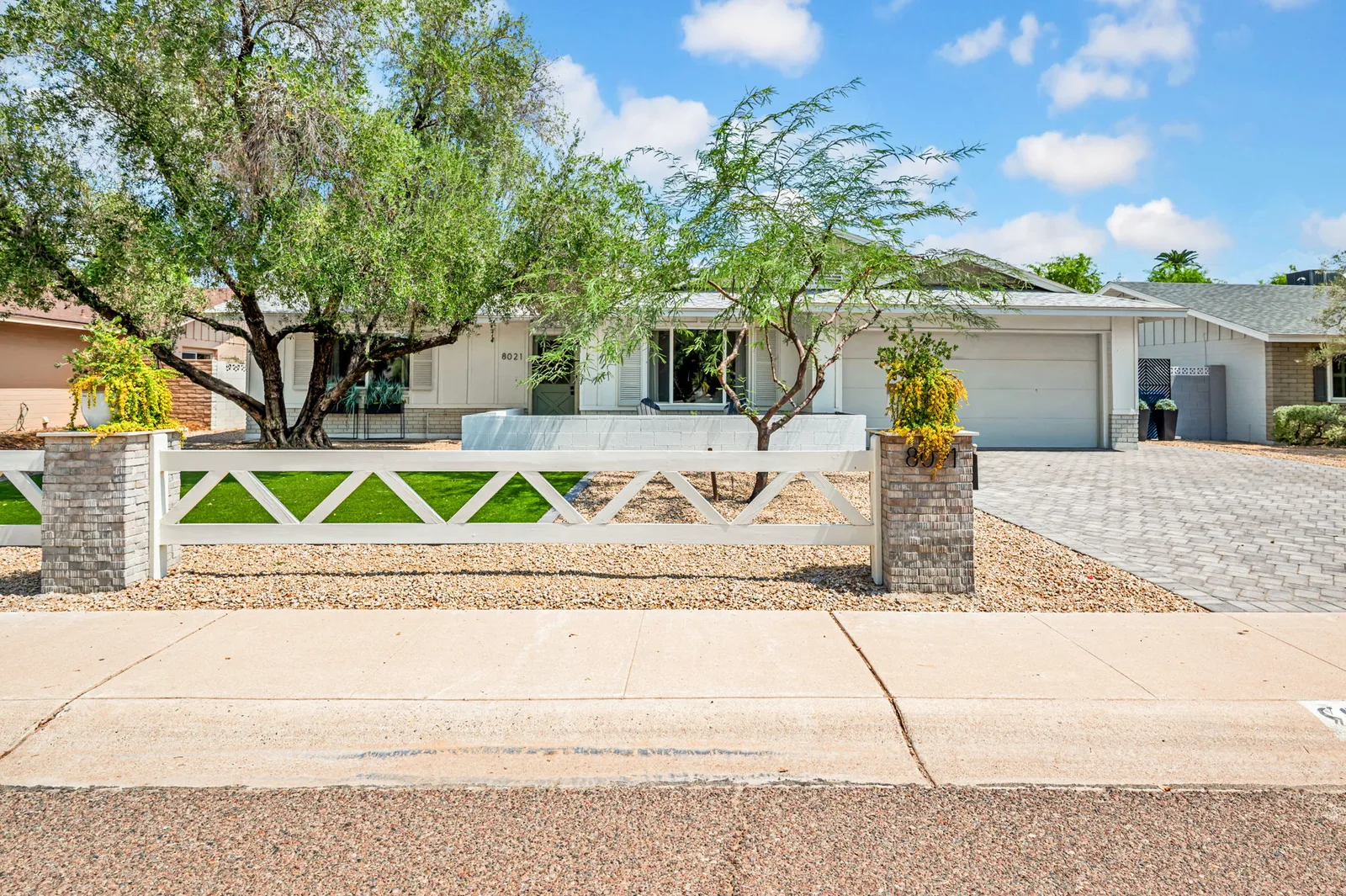
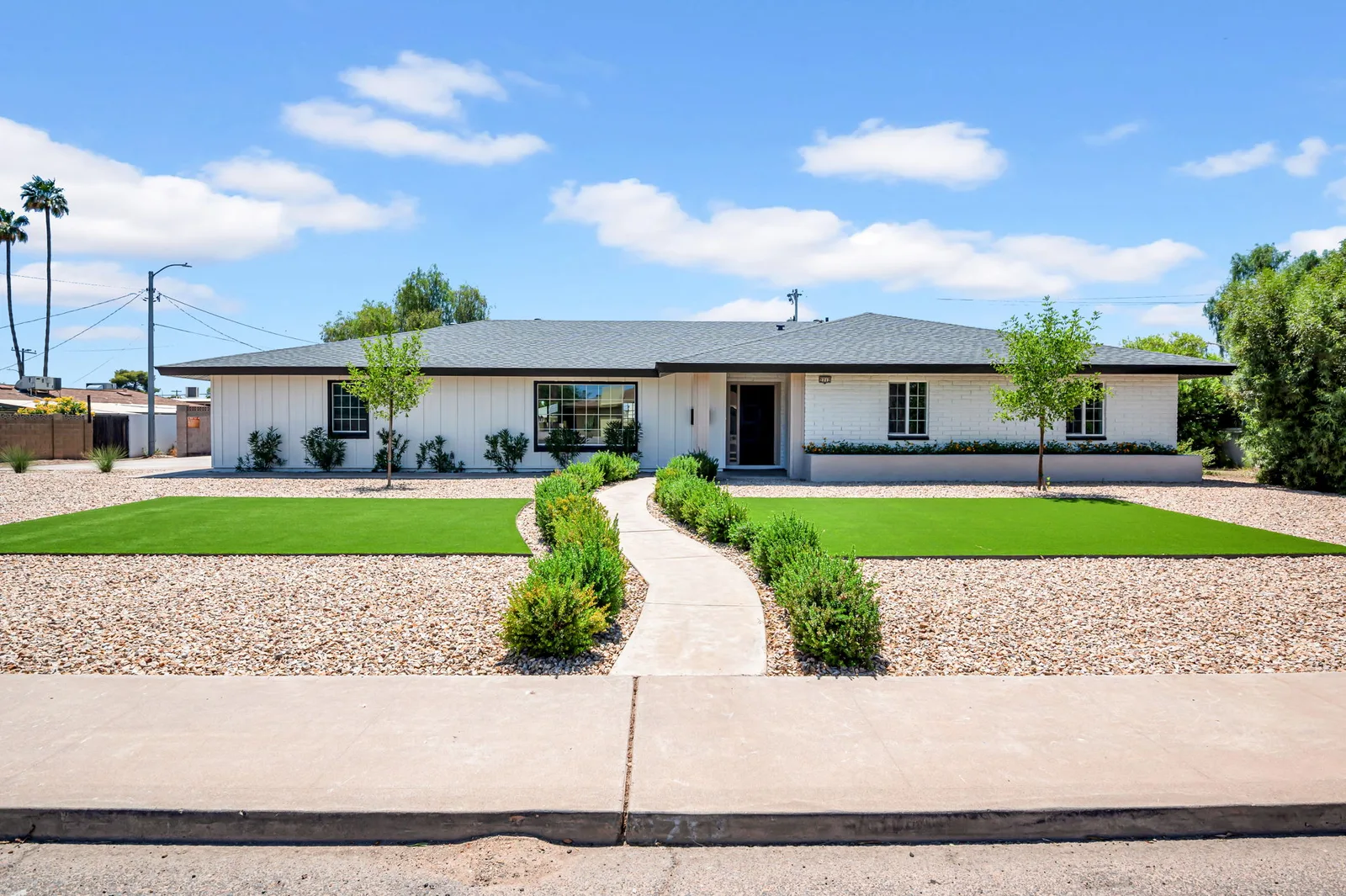
Most people relocating to Phoenix arrive with an image of gravel yards and new subdivisions at the edge of the valley. Then they drive Central Avenue north of Camelback and reconsider everything: dirt horse trail down the middle of the street, eucalyptus closing overhead, lawns that are actually green, and houses from 1958 that clearly cost more than the new build they were looking at in the far suburbs.
This guide is the orientation. What the corridor is, what it costs, how the schools are organized, how the water and the trash actually work, what the year feels like month to month, and what buying here is like as a process. Everything address-specific links out to an official source, because the details that matter most here are the ones you have to verify parcel by parcel.
What the corridor actually is
Between the Sevens means 7th Avenue on the west, 7th Street on the east, Camelback Road on the south, Northern Avenue on the north. That is roughly two miles by one mile. It is not a subdivision, there is no HOA governing it, there is no gate and no monument sign. It is an old, established, landlocked piece of the city that has held its desirability for decades.
Central Avenue splits it down the middle, and the Murphy Bridle Path runs along Central: a dirt trail used by walkers, runners and, still, horses. The full explanation of the boundary and what falls outside it is in Between the Sevens, explained.
The five zips, in plain terms
Each of these zips also contains blocks well outside the corridor, so a zip-code search is a blunt instrument here. The pocket explorer breaks the five apart with closed-sale numbers computed from the same sample used throughout this site.
- 85012 — the Central corridor, and the school spine: Brophy at 4701 N. Central Ave, Xavier at 4710 N. 5th St, Central High at 4525 N. Central Ave, All Saints' at 6300 N. Central Ave.
- 85013 — Between the Sevens proper, west of Central, anchored by Madison Meadows Middle School at 225 W. Ocotillo Rd.
- 85014 — the eastern shoulder toward Camelback, dense with Madison campuses including Madison Rose Lane at 1155 E. Rose Lane and Madison Traditional Academy at 925 E. Maryland Ave.
- 85020 — northeast, toward Piestewa Peak, with Madison Simis Elementary at 7302 N. 10th Street.
- 85021 — west of Central along the Murphy Bridle Path.
What homes cost
Rather than quote a market-wide average, here is what has actually closed. In a sample of 22 recent closed North Central sales from Trevor's ARMLS IDX feed, the median closed price was $1,290,000, the sample ranged from $1,023,500 to $2,455,555, the median home was 2,877 square feet, and the median price per square foot was $448.
Every figure here is computed from a sample of 22 North Central sales closed in the past 12 months, drawn from Trevor's ARMLS IDX feed. A 12-month sample is not the whole market — it is a read on what has actually traded, not a valuation of any particular house.
Two things relocating buyers should take from that. First, the range is wide — nearly a million dollars between the low and high end of a small sample — because lot size and condition vary enormously within a few blocks. Second, price per square foot is the metric most likely to mislead you here, for reasons laid out in the price per square foot guide.
Schools
Madison Elementary School District serves most of the corridor and covers PreK through 8 only. That is the detail relocating families most often miss: there is no Madison high school, so every family here makes a separate high school decision. Public high school in this area runs through Phoenix Union, and private options include Brophy and Xavier on the Central spine.
Boundaries are drawn by address, not by neighborhood, and two homes on the same street can be assigned differently. Verify with the district for the exact parcel before you write an offer that depends on it. The campus-by-campus breakdown, including the high school paths, is in the schools guide, and the condensed version lives on the almanac.
Flood irrigation, the thing nobody warns you about
Many lots in The Corridor are flood-irrigated: on a schedule, water is released and your yard is deliberately, temporarily, several inches under water. It is the reason the grass and the big trees exist here at all, and it is why the corridor is cooler than newer neighborhoods with gravel yards.
It is also a real obligation. There is a schedule, there is a person who manages the delivery — the traditional title is zanjero — and there is a berm around your yard that has to actually hold. Whether a specific address is irrigated is a question for the provider, not for a listing remark. Start with the almanac's irrigation section, then read the full flood irrigation guide.
Trash, recycling and the boring municipal stuff
City of Phoenix handles collection, and the pickup day and bulk trash window are specific to your address rather than to the neighborhood. Look yours up on the city's own tool once you have an address under contract rather than trusting anything secondhand — the almanac links directly to the official lookups for collection day, bulk trash and the recycling rules.
The practical version: bulk trash runs on a rotating schedule by area, and the week your area comes up is genuinely useful to know before you plan a garage cleanout or a landscaping project.
What the year actually feels like
Nobody warns relocating families properly about summer, so here it is plainly. June through September is hard. Life shifts to early mornings and evenings, and the shade in The Corridor is the single largest quality-of-life difference between an established street here and a newer neighborhood without canopy. Then October arrives and you understand why nobody leaves.
The seasonal rhythm is real enough that locals mark it by events. The Uptown Farmers Market at North Phoenix Baptist Church, 5757 North Central Avenue, runs Saturdays 7am to 11am year round; the Wednesday market returns in October, and its return is the unofficial signal that the outdoor half of the year has started. The events guide lays out what is confirmed for the rest of 2026 and, just as importantly, what has not been announced yet.
For the household version of the calendar — when to service the HVAC, when the irrigation cadence changes, when bulk trash comes around — the almanac's seasonal calendar is the page to bookmark.
Eating and errands
Two corridors do most of the work: 7th Street and Central Avenue. You are not going to be driving to Scottsdale for dinner unless you want to. The dining guide covers both corridors and is kept honest about closures rather than listing places that are no longer open.
What buying here is actually like
The corridor is landlocked and small, which means inventory is thin by definition. A meaningful share of homes trade quietly, agent to agent, before they are ever published — which is why the private list exists at all.
The process itself: get fully pre-approved before you tour, because good homes here do not sit. Expect to make decisions on lot and block quality faster than you are comfortable with, and expect to spend more of your inspection budget on roof, HVAC and any unpermitted addition than you would on a newer house. The full buyer walkthrough is in buying a home in North Central Phoenix, and if you are relocating from a market where offers are simpler, how to win a multiple-offer situation here is worth reading before your first tour, not after your first loss.
On the money side, Arizona closing costs are worth understanding early, and summer utility load is real enough that HVAC and summer costs belongs in your underwriting rather than in your first July surprise.
A sane first ninety days
- Spend one weekend driving all five pockets at different times of day before you tour a single house.
- Pick your school path first if you have kids, and verify boundaries with the district by parcel.
- Decide how you feel about flood irrigation before you fall for a yard that depends on it.
- Get pre-approved, then get on the private list so you see the quiet inventory too.
- Read two or three monthly market reports in a row rather than one, so you are reading a trend and not a single month.
Start looking
When you are ready, the corridor home search is already filtered to these zips, and Find Your Street is a quick way to narrow which pockets deserve your first Saturday. If you would rather just ask a person who has lived here his whole life, start here.
Questions people ask
- Is North Central Phoenix a good place to live?
- For people who want mature trees, large lots, an established street grid and a short drive to central Phoenix, it is one of the strongest options in the city. The trade-offs are honest ones: the housing stock is older, prices sit above the metro average, and summer is genuinely demanding.
- How much does a home in North Central Phoenix cost?
- In a sample of 22 recent closed sales from Trevor's ARMLS feed, the median closed price was $1,290,000 and the sample ranged from $1,023,500 to $2,455,555. That is a sample of recent closed sales, not the whole market, and it should not be used to value a specific home.
- What school district serves North Central Phoenix?
- Most of the corridor is served by Madison Elementary School District, which covers PreK through 8 only. High school is a separate decision — public through Phoenix Union, or private options including Brophy College Preparatory and Xavier College Preparatory on the Central Avenue spine. Verify the assignment for the exact address with the district.
- What is flood irrigation and do I have to use it?
- Flood irrigation delivers water to the lot on a schedule and briefly floods the yard, which is what sustains the lawns and mature trees in The Corridor. Whether a specific address has it, what it costs and how the schedule runs are questions for the provider — the almanac links to the official sources rather than guessing.
- How bad is the first summer?
- Plan for June through September to reshape your daily routine around early mornings and evenings. The shade in The Corridor makes a real difference compared to a newer neighborhood, but it does not make July mild. October through May is the reason people put up with it.
- Should I rent first before buying in North Central Phoenix?
- Renting for a season is reasonable if you genuinely cannot commit, but the corridor is small and inventory is thin, so waiting has a cost. If you rent, spend that time walking blocks and getting on the private list rather than waiting for the portal to show you something.
- Which zip codes are in North Central Phoenix?
- Parts of 85012, 85013, 85014, 85020 and 85021. Every one of them also includes blocks outside the corridor, so zip code alone is a poor filter for this neighborhood.